How Drones Enhance Efficiency in Various Industries

Drones have rapidly evolved from being mere gadgets for hobbyists to powerful tools that enhance efficiency across multiple industries. Their ability to access hard-to-reach areas, gather data quickly, and perform tasks with precision makes them invaluable in today's fast-paced world. In this blog post, we will explore how drones are transforming various sectors, including agriculture, construction, logistics, and environmental monitoring.

The Role of Drones in Agriculture
Agriculture is one of the industries where drones have made a significant impact. Farmers are increasingly adopting drone technology to improve crop management and increase yields. Here are some ways drones are enhancing efficiency in agriculture:
Crop Monitoring
Drones equipped with high-resolution cameras can capture detailed images of crops. This allows farmers to monitor plant health, identify diseases, and assess crop growth. By analyzing these images, farmers can make informed decisions about irrigation, fertilization, and pest control.
Precision Agriculture
Drones enable precision agriculture, which involves using data to optimize farming practices. For example, farmers can use drones to create detailed maps of their fields, identifying areas that require more attention. This targeted approach reduces waste and increases productivity.
Irrigation Management
Drones can also assist in irrigation management. By using thermal imaging, drones can identify areas of a field that are over or under-watered. This information helps farmers adjust their irrigation systems, ensuring that crops receive the right amount of water.
Drones in Construction
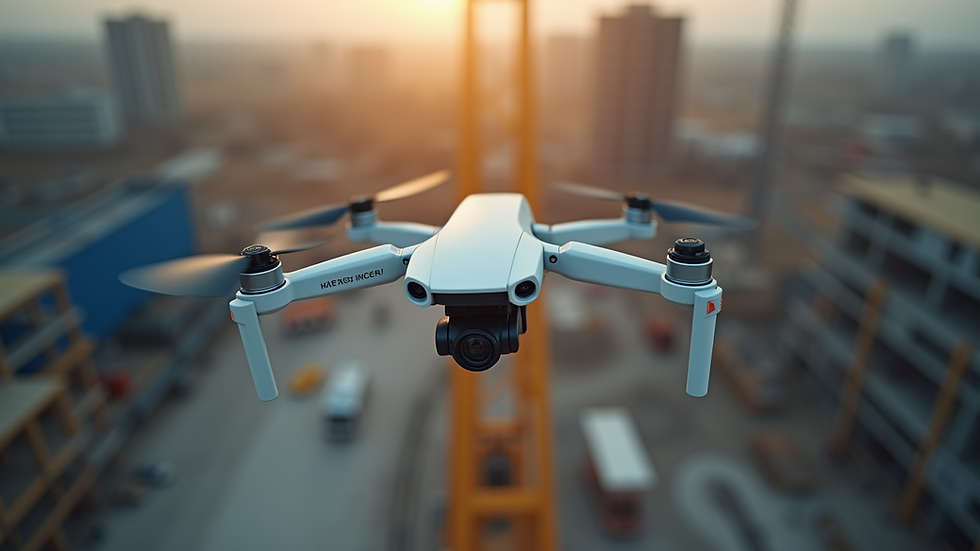
The construction industry is another sector that has embraced drone technology. Drones are used for various tasks, from site surveys to project monitoring. Here are some key benefits of using drones in construction:
Site Surveys
Traditionally, site surveys can be time-consuming and labor-intensive. Drones can quickly survey large areas, capturing high-resolution images and generating 3D models of the terrain. This data helps construction teams plan projects more effectively and reduces the risk of errors.
Progress Monitoring
Drones allow project managers to monitor construction progress in real-time. By capturing aerial images at regular intervals, teams can compare the current state of the project with the original plans. This helps identify any discrepancies early on, allowing for timely adjustments.
Safety Inspections
Drones can be used to conduct safety inspections of construction sites. They can access hard-to-reach areas, such as rooftops or tall structures, without putting workers at risk. This capability not only enhances safety but also ensures that inspections are thorough and efficient.
Enhancing Logistics with Drones
The logistics industry is undergoing a transformation with the introduction of drones. These flying machines are streamlining delivery processes and improving supply chain efficiency. Here are some ways drones are making a difference in logistics:
Last-Mile Delivery
Drones are increasingly being used for last-mile delivery, which is the final step in the shipping process. Companies like Amazon are experimenting with drone delivery systems to reduce delivery times and costs. Drones can quickly transport packages directly to customers' doorsteps, bypassing traffic and other obstacles.
Inventory Management
Drones can also assist in inventory management within warehouses. Equipped with barcode scanners, drones can quickly scan and track inventory levels, ensuring that stock is accurately accounted for. This automation reduces human error and saves time.
Real-Time Tracking
Drones provide real-time tracking of shipments, allowing companies to monitor the location and status of their deliveries. This transparency improves customer satisfaction, as clients can receive updates on their orders and estimated delivery times.
Environmental Monitoring and Conservation
Drones are playing a crucial role in environmental monitoring and conservation efforts. Their ability to cover large areas quickly makes them ideal for various applications:
Wildlife Conservation
Drones are used to monitor wildlife populations and track animal movements. This data helps conservationists understand animal behavior and habitat use, informing efforts to protect endangered species.
Forest Management
Drones can assist in forest management by providing aerial views of forest health. They can detect signs of disease, pest infestations, and illegal logging activities. This information allows forest managers to take action before problems escalate.
Disaster Response
In the event of natural disasters, drones can be deployed to assess damage and identify areas in need of assistance. Their ability to quickly gather data helps emergency responders allocate resources more effectively.
Challenges and Considerations
While drones offer numerous benefits, there are also challenges and considerations to keep in mind:
Regulatory Compliance
Drones are subject to regulations that vary by country and region. Companies must ensure they comply with local laws regarding drone usage, including licensing and airspace restrictions.
Privacy Concerns
The use of drones raises privacy concerns, particularly in urban areas. Companies must be mindful of how they collect and use data to avoid infringing on individuals' privacy rights.
Technical Limitations
Drones have technical limitations, such as battery life and payload capacity. Companies must consider these factors when planning drone operations to ensure efficiency and effectiveness.
The Future of Drones in Various Industries
The future of drones in various industries looks promising. As technology continues to advance, we can expect to see even more innovative applications. Here are some trends to watch:
Increased Automation
As drones become more sophisticated, we can expect increased automation in various industries. This could lead to more efficient processes and reduced labor costs.
Integration with AI
The integration of artificial intelligence (AI) with drone technology will enhance data analysis capabilities. Drones equipped with AI can make real-time decisions, improving efficiency in tasks such as crop monitoring and logistics.
Expanded Use Cases
As industries continue to explore the potential of drones, we can expect to see expanded use cases. From infrastructure inspections to search and rescue operations, the possibilities are endless.
Conclusion
Drones are revolutionizing industries by enhancing efficiency and providing valuable data. From agriculture to construction, logistics, and environmental monitoring, their applications are vast and varied. As technology continues to evolve, the potential for drones to improve processes and outcomes will only grow. Companies that embrace this technology will likely gain a competitive edge in their respective fields.
As we move forward, it is essential to stay informed about the latest developments in drone technology and consider how they can be integrated into existing operations. The future is bright for drones, and their impact on various industries will only continue to expand.

Comments