Exploring Drone Technology: Benefits for Your Business

In recent years, drone technology has rapidly evolved, transforming various industries and offering innovative solutions to age-old problems. Businesses are increasingly recognizing the potential of drones to enhance efficiency, reduce costs, and improve service delivery. This blog post explores the numerous benefits of integrating drone technology into your business operations, providing practical insights and real-world examples to illustrate its impact.
Understanding Drone Technology
Drones, also known as unmanned aerial vehicles (UAVs), are aircraft that operate without a human pilot onboard. They can be remotely controlled or fly autonomously using pre-programmed flight plans. Drones come equipped with various technologies, including cameras, sensors, and GPS, enabling them to perform a wide range of tasks.
Types of Drones
Fixed-Wing Drones: These drones resemble traditional airplanes and are ideal for covering large areas. They are often used in agriculture and surveying.
Multirotor Drones: These are the most common type of drones, featuring multiple rotors. They are versatile and can hover in place, making them suitable for aerial photography and inspections.
Hybrid Drones: Combining the features of fixed-wing and multirotor drones, hybrid drones can take off and land vertically while also covering long distances.
Benefits of Drone Technology for Businesses
Enhanced Data Collection
Drones can collect high-resolution images and data quickly and efficiently. This capability is particularly beneficial for industries such as agriculture, construction, and real estate.
Agriculture: Farmers use drones to monitor crop health, assess irrigation needs, and optimize pesticide application. For instance, a study by the University of California found that drone imagery can help farmers identify areas of stress in their crops, leading to better yield management.
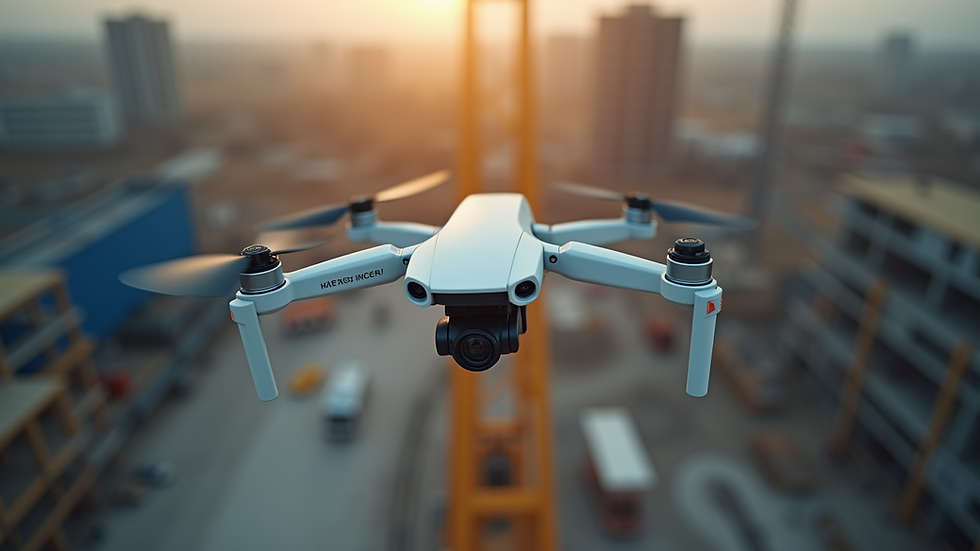
Construction: Drones can survey construction sites, providing real-time data on progress and identifying potential issues before they escalate. This proactive approach can save time and money.
Cost Savings
Integrating drones into business operations can lead to significant cost reductions. Traditional methods of data collection, such as manned aircraft or ground surveys, can be expensive and time-consuming.
Example: A construction company that switched to drone surveys reported a 50% reduction in costs associated with site inspections. Drones can cover large areas in a fraction of the time, reducing labor costs and minimizing downtime.
Improved Safety
Drones can perform tasks in hazardous environments, reducing the risk to human workers. Industries such as oil and gas, construction, and utilities benefit from this safety enhancement.
Example: In the oil and gas sector, drones are used to inspect pipelines and offshore platforms. This reduces the need for workers to enter potentially dangerous areas, minimizing the risk of accidents.
Increased Efficiency
Drones can streamline operations by providing real-time data and insights. This efficiency can lead to faster decision-making and improved project timelines.
Example: In the real estate industry, drones are used to capture aerial footage of properties, allowing agents to market listings more effectively. This can lead to quicker sales and higher property values.
Environmental Monitoring
Drones are increasingly used for environmental monitoring, helping businesses comply with regulations and assess the impact of their operations.
Example: Environmental agencies use drones to monitor wildlife populations, assess habitat conditions, and track changes in land use. This data is crucial for conservation efforts and regulatory compliance.
Implementing Drone Technology in Your Business
Assess Your Needs
Before integrating drones into your operations, assess your specific needs and objectives. Consider the following questions:
What tasks could drones perform more efficiently than current methods?
What data do you need to collect, and how will it benefit your business?
Are there regulatory considerations to address before using drones?
Choose the Right Equipment
Selecting the appropriate drone for your business is crucial. Consider factors such as:
Payload Capacity: Ensure the drone can carry the necessary equipment, such as cameras or sensors.
Flight Time: Longer flight times allow for more extensive data collection without frequent recharging.
Range: Determine how far the drone needs to fly to complete its tasks effectively.
Train Your Team
Proper training is essential for safe and effective drone operation. Consider the following training aspects:
Pilot Training: Ensure that drone operators are certified and understand the regulations governing drone use in your area.
Data Analysis: Train team members to analyze and interpret the data collected by drones, ensuring they can make informed decisions based on the insights gained.
Stay Compliant with Regulations
Drone operations are subject to various regulations, which can vary by location. Familiarize yourself with the rules governing drone use in your area, including:
Registration: Many countries require drones to be registered with aviation authorities.
Flight Restrictions: Be aware of no-fly zones and altitude restrictions to ensure compliance.
Real-World Examples of Drone Technology in Action
Agriculture: Precision Farming
Farmers are increasingly adopting drone technology for precision farming. Drones equipped with multispectral cameras can capture images that reveal crop health, soil conditions, and irrigation needs. For instance, a vineyard in California used drones to monitor grape health, resulting in a 20% increase in yield due to targeted interventions.
Construction: Project Monitoring
A construction company utilized drones to monitor a large-scale building project. By conducting weekly aerial surveys, they identified delays and potential issues early, allowing for timely adjustments. This proactive approach resulted in a 15% reduction in project completion time.
Real Estate: Aerial Photography
Real estate agents are leveraging drones to capture stunning aerial images of properties. A real estate agency that adopted drone photography reported a 30% increase in inquiries for listings featuring aerial views. This innovative marketing strategy has proven to be a game-changer in attracting potential buyers.
Challenges and Considerations
While the benefits of drone technology are significant, there are challenges to consider:
Regulatory Hurdles
Navigating the regulatory landscape can be complex. Businesses must stay informed about changing regulations and ensure compliance to avoid penalties.
Initial Investment
The upfront costs of purchasing drones and training staff can be substantial. However, many businesses find that the long-term savings and efficiency gains justify the initial investment.
Data Privacy Concerns
Drones equipped with cameras can raise privacy concerns. Businesses must be mindful of local laws regarding data collection and ensure they respect individuals' privacy rights.
The Future of Drone Technology in Business
As drone technology continues to advance, its applications in various industries will expand. Innovations such as artificial intelligence and machine learning will enhance drones' capabilities, allowing for even more sophisticated data analysis and decision-making.
Emerging Trends
Autonomous Drones: Future drones may operate entirely autonomously, requiring minimal human intervention. This could revolutionize industries such as delivery and logistics.
Integration with IoT: Drones will increasingly integrate with the Internet of Things (IoT), enabling real-time data sharing and analysis across platforms.
Urban Air Mobility: The concept of urban air mobility is gaining traction, with drones potentially serving as air taxis or delivery vehicles in urban environments.
Conclusion
Drone technology offers a wealth of benefits for businesses across various industries. From enhanced data collection and cost savings to improved safety and efficiency, the potential applications are vast. As you consider integrating drones into your operations, take the time to assess your needs, choose the right equipment, and ensure compliance with regulations. By embracing this technology, you can position your business for success in an increasingly competitive landscape.
The future is bright for drone technology, and those who adapt will likely reap the rewards. Take the next step by exploring how drones can transform your operations today.


Comments